
| Page: |
| Home > Technical Chat > Flywheel Materials, FAO any material scientists out there. | |||||||
 7765 Posts Member #: 74 I pick holes in everything.. Chief ancient post excavator |
15th Jul, 2007 at 08:29:37pm
There are several pros and cons of stealing if that's what you mean! If you're thinking of stealing alloy, and the pros and cons of that, aske the Pikeys! On 13th Jul, 2012 Ben H said:
Mine gets in the way a bit, but only when it is up. If it is down it does not cause a problem. |
||||||
|
591 Posts Member #: 360 Stu from Corwall aka Mr Jazz Piano, Love_Machine, kneegrow |
23rd Jul, 2007 at 09:09:33pm
Bugger off, I'm getting there. |
||||||
|
4314 Posts Member #: 700 Formerly British Open Classic The West Country |
28th Jul, 2007 at 08:09:23am
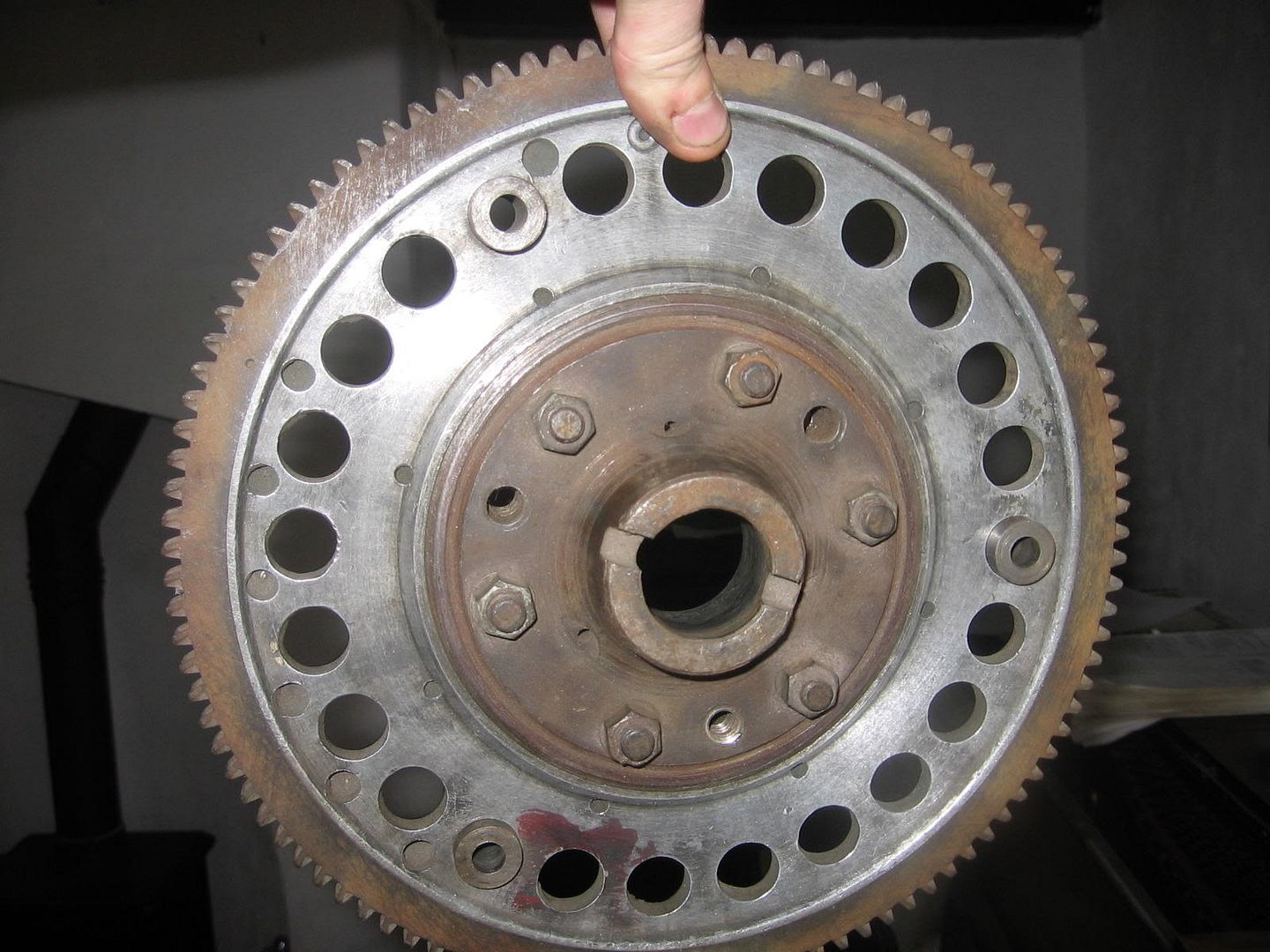
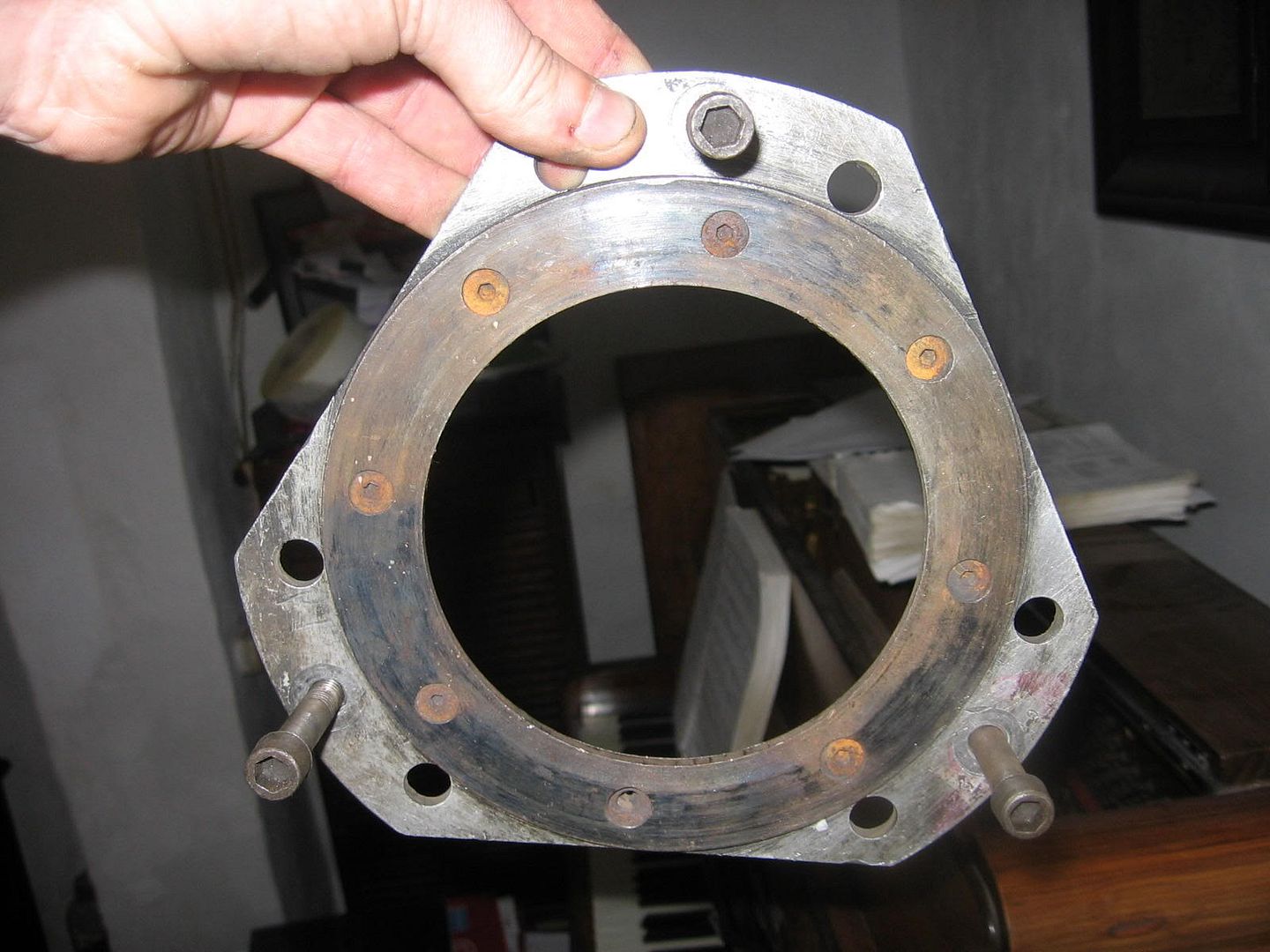
Nice wheel & back plate
On 23rd of Jul, 2007 at 09:09pm Hedgemonkey said:
I can't remember what the actual equation is for what actually happens but it depends on the radius of gyration, which is something to do with where the centre of weight+some gyroscopic stuff is. Weight at the edge lost behaves differently due to inertia than stuff in the middle. Having studied electronics you're allready one step ahead of me. I'm guessing that the other part of the flywheel is moving faster and therefore experiances greater G force, whilst the inner is under greater tension due to the mass of the outer. On 23rd of Jul, 2007 at 09:09pm Hedgemonkey said:
Making a flywheel and getting it balanced is not too difficult, provided you have access to the kit. Calculating the lilihood of it flying apart is another. I think you hit the nail on the head there, and that is what I'm failing to get to grips with. Alot of the info I come across is along the lines of "xyz" works for me. [quote=Hedgemonkey,23rd of Jul, 2007 at 09:09pm] I'd like to know more about Ti and it's cost and availability./quote] Mr Austin is the man to talk to about these: http://www.foxwebsitedesign.co.uk/index.html Isambard Kingdom Brunel said:
Nothing is impossible if you are an Engineer |
||||||
| Home > Technical Chat > Flywheel Materials, FAO any material scientists out there. | |||||||
|
|||||||

| Page: |